















M109 Paladin · 2026
Introduction
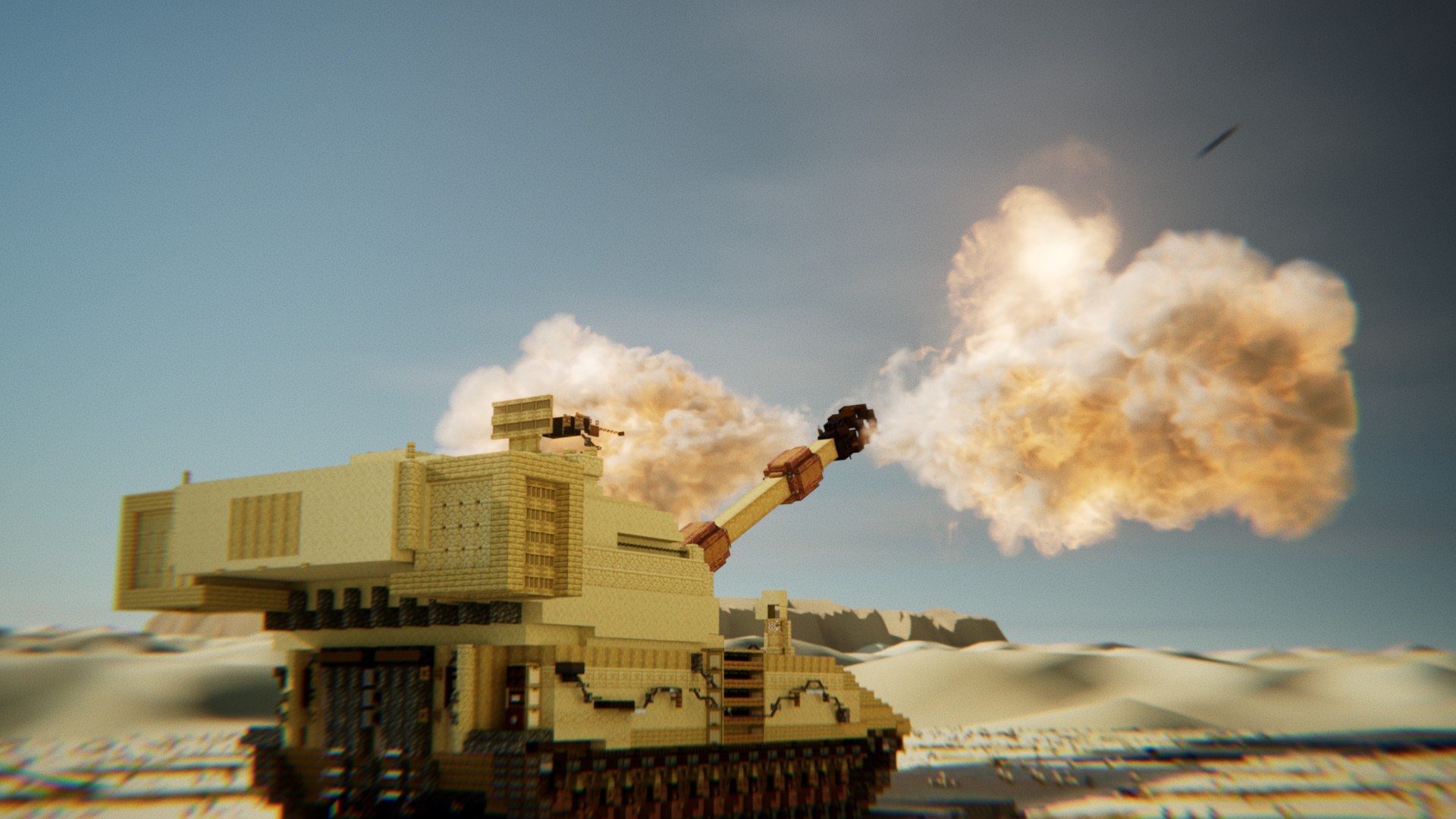
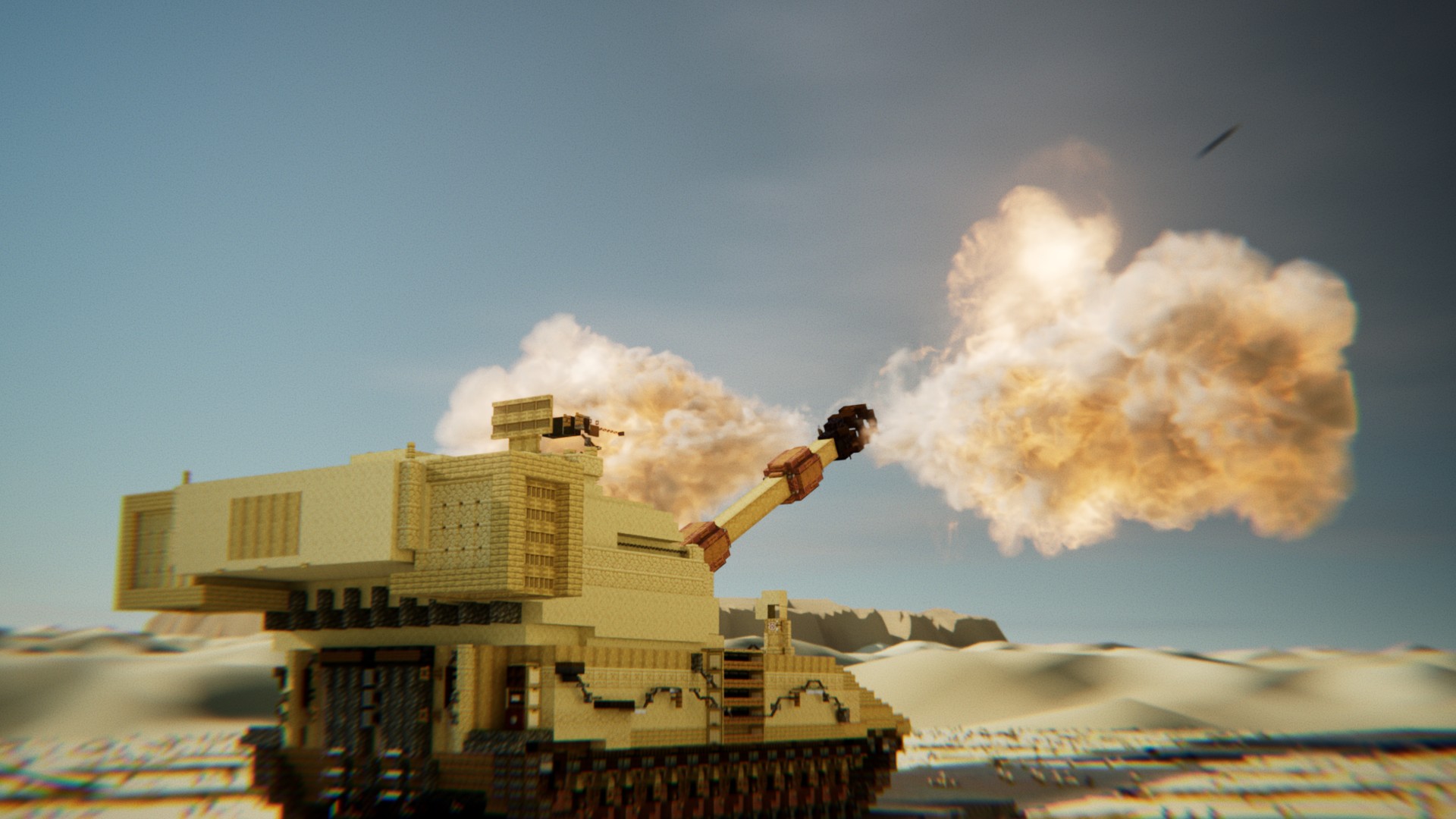
The rebuild of M109 Paladin self-propelled howitzer.widely known as the Paladin, is an American 155 mm turreted self-propelled howitzer, first introduced in the early 1960s
Built by if and Saking
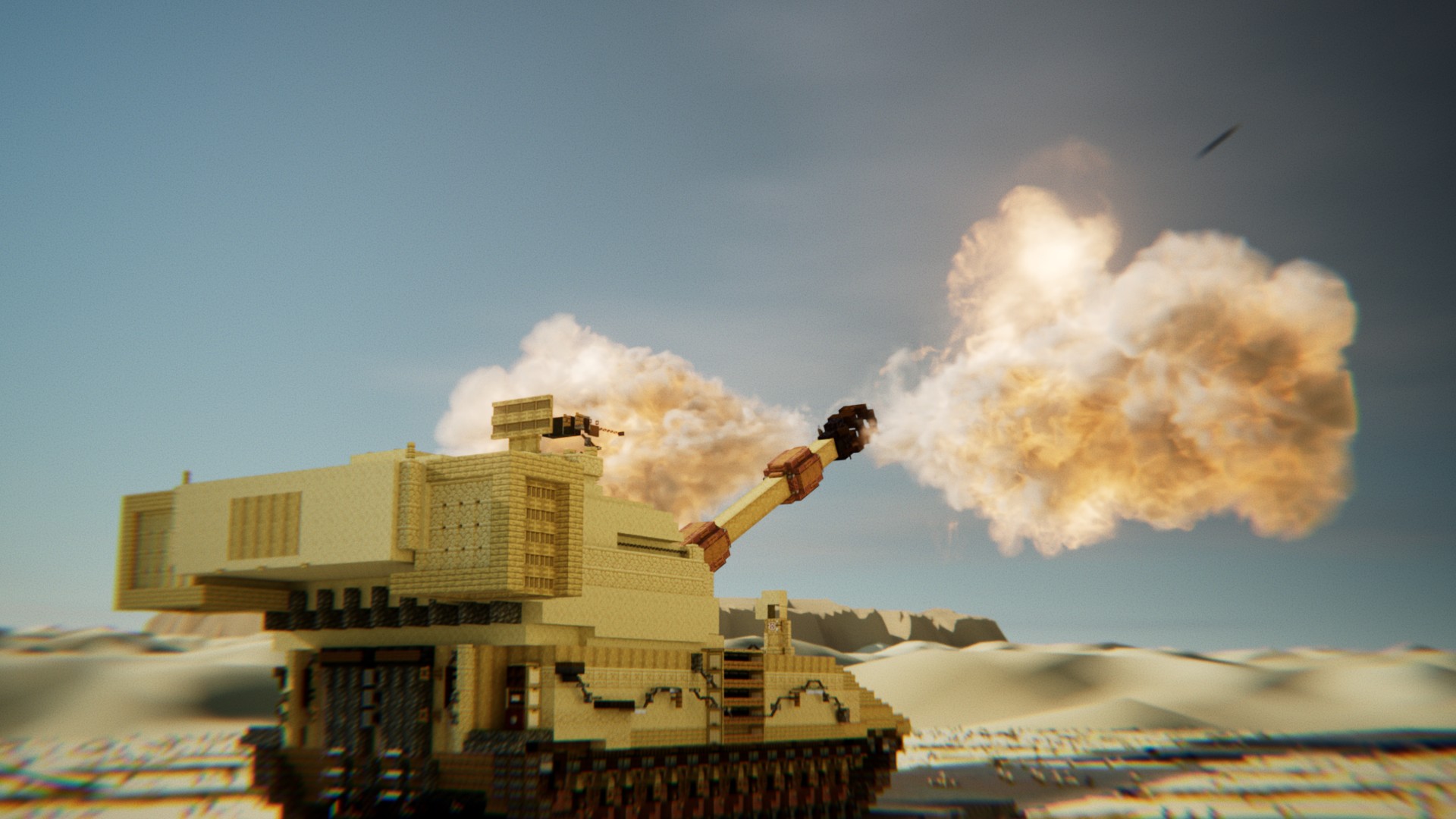
On conventional battlefields during the Second World War, open-top designs facilitated the venting of gun smoke, reduced vehicle weight and provided good visibility. However, with the onset of the Cold War, tactical nuclear weapons became a sword of Damocles hanging over US forces stationed in Europe. Had the Soviet Union detonated a tactical nuclear device at the Fulda Gap, the resulting radioactive fallout, airburst shrapnel and subsequent chemical weapons would have instantly wiped out the crews of all open-top artillery pieces.
The early prototype of the M109 (T196) established the imperative for a fully enclosed turret. Not only did it offer protection against shrapnel, but it also incorporated an early NBC (nuclear, biological and chemical) ventilation system. This shift in design philosophy marked a transition for the US Army’s artillery from a ‘pure pursuit of firepower and mobility’ to ‘high survivability under conditions of nuclear deterrence’.
To accommodate the fully enclosed turret and heavy artillery, whilst simultaneously meeting the US Army’s obsession with ‘global rapid deployment’ (airlift requirements) and ‘amphibious capability’ during the early Cold War. The contemporary Soviet 2S3 ‘Acacia’ 152mm self-propelled gun employed traditional steel armour. In contrast, the American T196 (the prototype for the M109) and the M113 armoured personnel carrier both adopted the extremely radical approach of using 5083 aluminium alloy armour (to MIL-A-46027 standard).
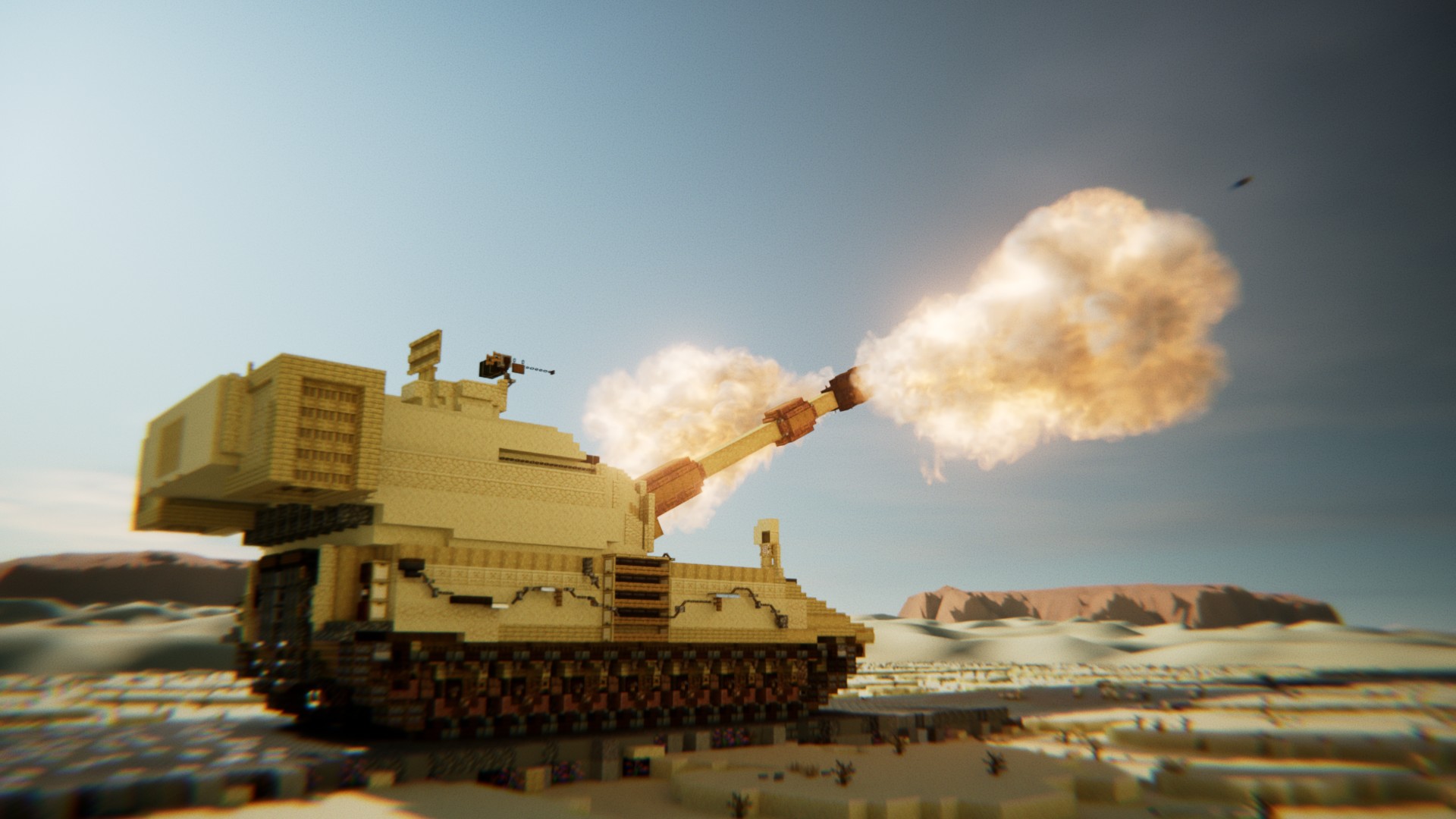
In the early 1980s, the US military established the doctrine of ‘Air-Ground Battle’. This doctrine required artillery units to possess a high degree of flexibility in order to counter deep penetrations by Soviet armoured formations.
From the M109A3 to the A4/A5, the most significant change was the introduction of digital communication nodes and early ballistic computers. This enabled the artillery to receive digital commands from observation aircraft or forward observation posts, thereby reducing reaction times. However, the early M109 models had not yet achieved true ‘single-gun autonomous targeting’, which became the direct impetus for the subsequent development of the A6 ‘Paladin’.
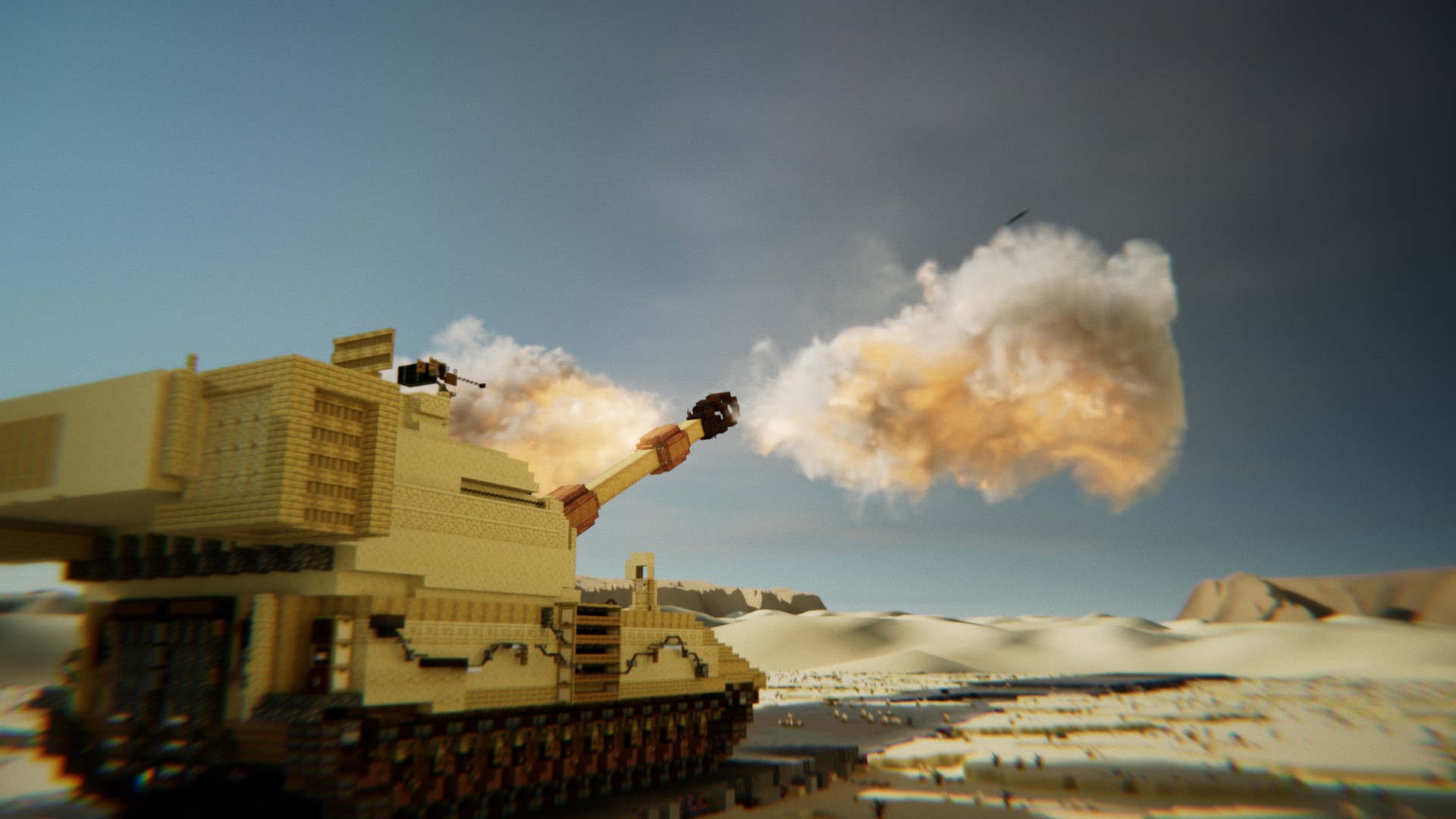
In the late 1990s, self-propelled artillery worldwide entered the ‘52-calibre era’. Germany’s PzH 2000, the UK’s AS-90, and the subsequently developed South Korean K9 all surpassed the M109A6 in every respect, including range (over 40 km), rate of fire (over 10 rounds per minute) and level of automation.
In 2002, then-Secretary of Defence Donald Rumsfeld scrapped the ‘Crusader’ programme. The rationale was very much a post-Cold War one: it was too heavy (over 60 tonnes) to be rapidly deployed via C-17 transport aircraft to “localised counter-terrorism wars” around the globe. This dramatically gave the M109A6 a second lease of life – as the US military had no choice but to continue squeezing the last drop of potential from this Cold War veteran.
When the M109A6’s chassis had become worn out (its suspension and transmission design still bore the hallmarks of the 1960s), the US Army introduced the M109A7
This was effectively a ‘resurrection’. The A7 retained the A6’s turret structure but completely replaced the chassis with components highly compatible with the M2 Bradley Infantry Fighting Vehicle. At the same time, the A7 discarded the outdated hydraulic drive system in favour of a fully electrically controlled turret. This not only improved accuracy but, more importantly, resolved the long-standing issue of the aluminium alloy hull’s vulnerability to hydraulic fluid fires.